Source Eco Friendly Pet Jumping Ball for Dogs, Cats, and Outdoor Play
Compare 30 listings for the Eco Friendly Pet Jumping Ball designed for large dogs and cats. Buyers can evaluate customization options, material safety, and pricing to find suitable suppliers for outdoor activities and home use.
Key considerations
Products List


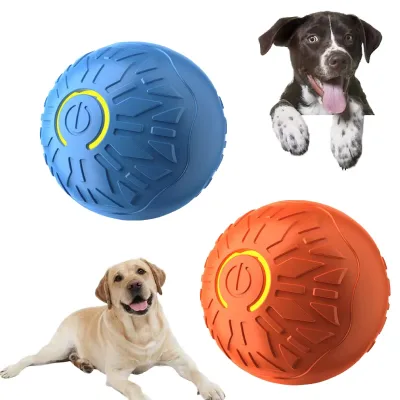

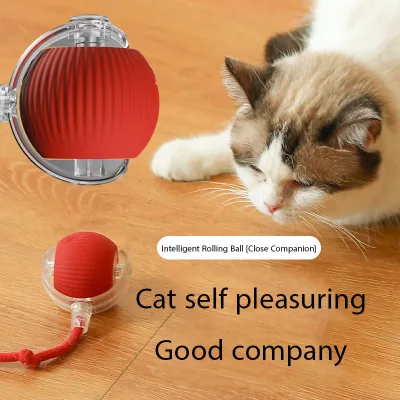


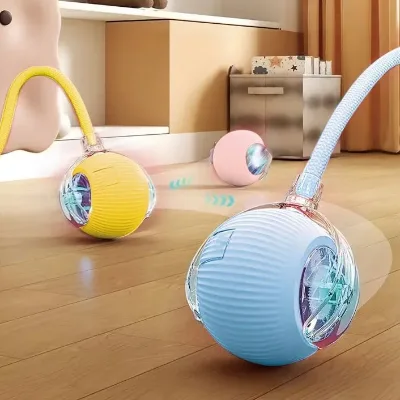


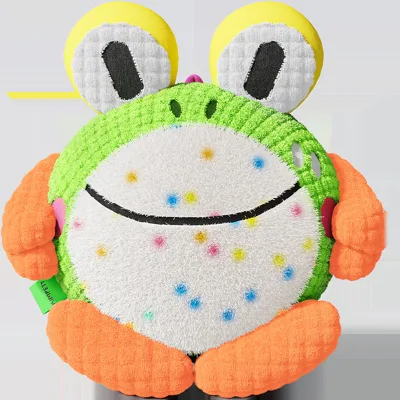
Interactive Giggle Ball for Pets, Fun Sounds Encouraging Playtime and Exercise
$1.89 - $2.10
MOQ: 1000 Pieces
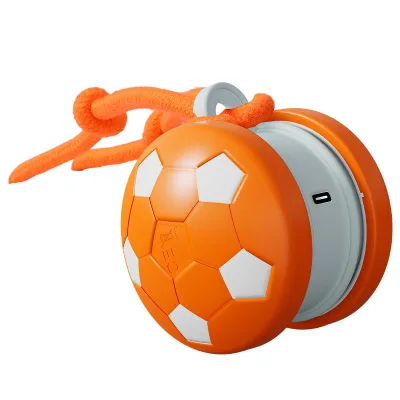


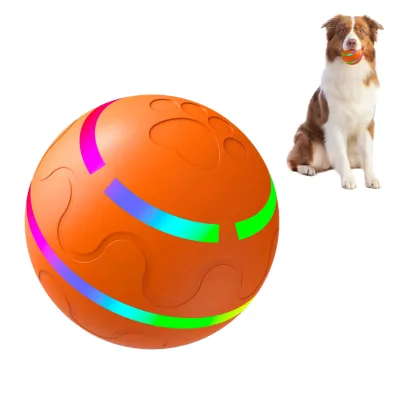
Wholesale Durable Natural Rubber Pet Toy Balls for Indoor Dog Entertainment
$0.01 - $0.05
MOQ: 100 Pieces


Comprehensive Sourcing Guide
Strategic Sourcing Guide for Eco-Friendly Pet Jumping Balls
Understanding Product Definitions and Core Attributes
When sourcing an eco-friendly pet jumping ball, buyers must first distinguish between the specific product category and the broader manufacturing capabilities available in the market. The core keyword implies a recreational toy designed for active engagement, specifically targeting large dog breeds such as Labrador Retrievers and Golden Retrievers. The product is characterized by its ability to be inflated and deflated, which significantly impacts its portability and storage logistics. This inflatable nature suggests a construction that relies on a rubber inner lining, often paired with a soft chemical fiber wool exterior to provide durability and a comfortable texture for the animal.
The material composition is a critical differentiator in this category. While some listings indicate a primary material of rubber, others in the broader supply chain may utilize cotton or various plastics like ABS, PP, PE, and Nylon66. For the specific "jumping ball" variant, the material profile often includes a rubber base to ensure bounce and resilience. The "eco-friendly" designation in this context is frequently linked to the use of non-toxic materials that are safe for pets, aligning with standards that prohibit harmful chemicals. Buyers should verify that the product is explicitly labeled as non-toxic and pet-safe, as these attributes are essential for the safety of large breeds that engage in vigorous play.
The target audience for these products is primarily adult owners of large dog breeds who require toys suitable for outdoor activities. The product design often features a round, square, or rectangular shape, with specific dimensions such as 9.5 inches (24cm) or smaller variants like 6.3*6.3cm. The manufacturing process for these items often involves injection molding or rubber molding, utilizing high-precision molds with tolerances as tight as +/-0.01mm. This level of precision ensures that the final product maintains its structural integrity and bounce characteristics over time.
Technical Specifications and Manufacturing Standards
The technical specifications of an eco-friendly pet jumping ball are governed by the manufacturing methods and material properties. The production process typically employs injection molding or rubber molding techniques, which allow for the creation of complex shapes and consistent quality. The molds used in this process are often constructed from high-grade materials such as Nak20, S136, P20, 718h, 738h, or 45#, ensuring a mold life capable of sustaining between 100,000 to 1,000,000 shots. This longevity is crucial for suppliers who need to meet high-volume orders without frequent mold replacements.
Design software such as UG (Unigraphics) is commonly utilized to create the initial prototypes, ensuring that the final product meets the desired aesthetic and functional requirements. The sprue gate systems used in the molding process can vary, with options including hot or cold runners and pin-point gates, which influence the surface finish and material efficiency of the final product. The product model numbers, such as p-1, p-2, p-20, or N002, serve as identifiers for specific design iterations, each potentially offering different size configurations or material blends.
Standardization is a key aspect of the manufacturing process. While some products adhere to specific size standards like 18183 cm or 9.5 inches, others are fully customized to meet buyer requirements. The packing specifications are equally important, with standard export cartons often containing 100 pieces per carton. However, buyers should be aware that packing can be customized upon request, allowing for flexibility in logistics and inventory management. The product's portability is a significant technical feature, with the ability to be inflated and deflated making it easy to store and transport, a factor that is highly valued by retailers and distributors.
Compliance, Certification, and Safety Verification
Safety and compliance are paramount when sourcing pet products, particularly those intended for large breeds that may chew or swallow parts of the toy. The market offers products that claim adherence to various safety standards, including ASTM and CE certifications. These certifications indicate that the product has undergone testing for mechanical and chemical safety, ensuring it is non-toxic and safe for pets. Additionally, certifications such as CCC, ISO, CE, and RoHS are frequently cited, providing assurance that the manufacturing process and final product meet international regulatory requirements.
For buyers seeking the highest level of assurance, it is essential to verify the specific certifications held by the supplier. While some listings mention TSISO and FDA certifications, others may reference ISO9001:2015 and Ts16949, which relate to quality management systems rather than direct product safety. The presence of these quality management certifications suggests a supplier with a robust internal control system, which indirectly supports product consistency and safety. However, buyers should not assume that all listed products possess every certification mentioned in the general market data; verification of the specific batch or model is necessary.
The "eco-friendly" claim often intersects with safety standards. Products described as eco-friendly typically utilize non-toxic materials that do not release harmful substances. While background knowledge might suggest certifications like OEKO-TEX or GOTS, these are not explicitly confirmed in the provided product data and should not be assumed. Instead, buyers should focus on the explicit "Pet-Safe, Non-Toxic" attributes and the presence of ASTM and CE certifications. The design software and molding processes also play a role in compliance, as precise manufacturing reduces the risk of material defects that could lead to choking hazards or toxicity issues.
Cost Drivers and Pricing Dynamics
The pricing of eco-friendly pet jumping balls is influenced by a complex interplay of factors, including material costs, manufacturing complexity, and order volume. The observed price range in the market spans from $0.01 to $6,000, reflecting the diversity of products available, from simple single-unit purchases to large-scale industrial orders. The minimum order quantity (MOQ) typically ranges from 1 to 1,000 units, offering flexibility for both small retailers and large distributors.
Material costs are a primary driver of the final price. Products utilizing high-grade rubber, chemical fiber wool, or specialized plastics like ABS and Nylon66 will generally command a higher price point compared to those made from standard cotton or basic rubber. The complexity of the molding process also affects costs; products requiring precise tolerances of +/-0.01mm or those with intricate designs created using UG software may incur higher manufacturing expenses. Additionally, the mold life and the specific mold materials used can impact the unit cost, as high-durability molds require a larger initial investment.
Customization is another significant cost factor. While the product offers customization options, including logo printing and tailored sizes, these services often come with additional fees. The MOQ for customized orders may be higher than for standard products, and the lead time may be extended due to the need for mold adjustments or design approvals. Buyers should also consider the packaging costs, as standard export cartons may be less expensive than custom packaging solutions. Understanding these cost drivers is essential for budgeting and negotiating effectively with suppliers.
Typical Applications and Target Market Segments
The primary application of eco-friendly pet jumping balls is recreational play for large dog breeds. These toys are designed to withstand the vigorous activity of breeds such as Labrador Retrievers and Golden Retrievers, providing a durable and safe outlet for their energy. The inflatable nature of the product makes it particularly suitable for outdoor activities, where portability and ease of storage are crucial. The product's ability to be deflated allows for convenient transport in vehicles or storage in small living spaces, addressing the needs of active pet owners.
Beyond individual pet owners, these products are also targeted at retailers and distributors who cater to the pet care market. The "All Seasons" designation indicates that the product is suitable for use year-round, regardless of weather conditions, making it a versatile addition to any pet toy inventory. The application extends to various settings, including car travel, household use, and outdoor adventures. The product's compatibility with hardware and furniture suggests that it is designed to be robust enough to handle the wear and tear of daily use without damaging surrounding environments.
The target audience also includes adult consumers who prioritize eco-friendly and non-toxic products. These buyers are often willing to pay a premium for products that align with their values regarding sustainability and pet safety. The presence of logo printing options allows for branding opportunities, making these products attractive for corporate gifts or promotional campaigns. The versatility of the product, with options for different shapes and sizes, ensures that it can meet the diverse needs of various market segments, from casual pet owners to professional trainers and breeders.
Supplier Evaluation and Quality Control Protocols
Evaluating suppliers for eco-friendly pet jumping balls requires a thorough assessment of their manufacturing capabilities, quality control systems, and compliance records. Buyers should look for suppliers who demonstrate a commitment to precision, evidenced by the use of high-grade mold materials and tight tolerances. The mold life of 100,000 to 1,000,000 shots is a strong indicator of a supplier's ability to produce consistent, high-quality products over the long term. Additionally, the use of advanced design software like UG suggests a supplier that invests in modern technology to ensure product accuracy.
Quality control protocols should be a central part of the supplier evaluation process. Buyers should verify that the supplier has established procedures for inspecting raw materials, monitoring the molding process, and testing finished products. The presence of certifications such as ISO9001:2015 and Ts16949 indicates a supplier with a structured quality management system. However, buyers must also ensure that the specific product being sourced meets the required safety standards, such as ASTM and CE, and is explicitly non-toxic.
The supplier's location, such as Tianchang, Anhui, China, can also be a factor in the evaluation, as it may influence lead times and shipping costs. Buyers should assess the supplier's ability to meet delivery schedules and handle logistics efficiently. The standard packing of 100 pieces per carton is a common practice, but buyers should confirm that the supplier can accommodate custom packing requests if necessary. Finally, the supplier's willingness to accept OEM/ODM orders and their flexibility in design and customization are key indicators of their suitability as a long-term partner.
Long-Term Procurement Considerations and Sustainability
Sourcing eco-friendly pet jumping balls involves more than just selecting a product; it requires a strategic approach to long-term procurement and sustainability. Buyers should consider the lifecycle of the product, from manufacturing to disposal, and evaluate the supplier's commitment to environmental responsibility. The use of non-toxic, eco-friendly materials is a positive step, but buyers should also inquire about the recyclability of the materials and the supplier's waste management practices.
The customization options available, such as logo printing and tailored designs, offer opportunities for brands to differentiate themselves in the market. However, buyers should be mindful of the environmental impact of these customizations, ensuring that the inks and materials used are also eco-friendly. The portability of the product, with its inflatable and deflatable design, reduces the carbon footprint associated with transportation and storage, aligning with broader sustainability goals.
Long-term procurement also involves building a relationship with a reliable supplier who can adapt to changing market demands. The ability to scale production up or down based on demand is crucial, as is the supplier's capacity to innovate and introduce new product variants. Buyers should maintain open communication with suppliers regarding quality standards, safety compliance, and sustainability initiatives to ensure that the partnership remains aligned with their business objectives. By focusing on these long-term considerations, buyers can secure a steady supply of high-quality, eco-friendly pet jumping balls that meet the evolving needs of the market.
FAQs
What materials are used for eco friendly pet jumping balls?
These balls typically use a rubber inner lining combined with soft chemical fiber wool. Some variations may incorporate cotton or plastics like ABS and PP, ensuring durability and safety for large dog breeds during outdoor play.
Which certifications ensure the product is safe for pets?
Products often carry ASTM and CE certifications to verify they are non-toxic and pet-safe. Additional quality marks like ISO, CCC, and RoHS may also be present, confirming adherence to international safety and manufacturing standards.
Can buyers request custom logo printing on these balls?
Yes, logo printing is available as a customization option for buyers. This service allows for branding on the inflatable rubber or cotton surfaces, though it may require meeting specific minimum order quantities set by the manufacturer.
How are these inflatable balls packed for export?
Standard export cartons typically hold 100 pieces per carton for efficient shipping. Buyers can also request custom packing solutions to suit their specific logistics needs, ensuring the deflated balls remain protected during transport.
What is the typical origin location for these pet toys?
Many of these products originate from Tianchang, Anhui, China. This region hosts manufacturers capable of producing rubber and plastic injection molded toys with precise tolerances and high-volume capacity for global distribution.
Which dog breeds are these jumping balls suitable for?
They are designed primarily for large dog breeds like Labradors and Golden Retrievers. The durable rubber and bite-resistant features ensure they withstand vigorous play by adult dogs engaging in outdoor activities.